Technical services and spare parts
Get known to technical departments before something breaks
In an emergency, technical teams turn to companies they already know. VesselCall introduces your company to managers of approaching vessels, in their language, before a need arises.
The problems today
- 1
Jobs go to the familiar name
When a job comes up in port, superintendents write to a company they know. Unknown local firms lose out to flown-in technicians or the next port.
- 2
Technical teams are hard to reach
The technical team that decides is often abroad, and its address is hard to find. An offer sent to a generic info inbox can get lost on the way.
- 3
Port stays are short
When a vessel stays briefly, service and parts deliveries have to be planned before arrival. If you first see the ship at the berth, there is usually no time left.
With VesselCall
Introductions while the vessel approaches
Set a range around İzmit Bay or Aliağa. When a commercial vessel enters it, VesselCall finds the manager, picks the technical department address if published and sends your introduction.
Pick ports your team can reach
Choose only the ports your technicians and stock can reach, each with its own range. Vessels at ports you can't serve won't get an e-mail.
Read the PSC summary first
Search VesselCall Data by IMO, MMSI or name to see the manager, classification society, technical particulars and port state control (PSC) summary, then shape your offer.
Measure the vessel mix
Port and period reports split arrivals into sub-types such as bulk carrier, container ship, chemical tanker or LPG carrier, and show average stay. Plan service capacity around them.
Who do we reach?
Service and repair work is usually decided by the ship manager's technical department (technical superintendents, fleet managers), while spare parts orders go through purchasing at the technical team's request. VesselCall picks the department address that fits the sector in your profile when the company publishes one.
For marine technical service and spare parts companies in Türkiye, VesselCall detects commercial vessels approaching your ports, finds the ship manager through the IMO number and sends your introduction to the technical department, in the recipient’s language and from your own domain. VesselCall Data shows each vessel’s class, PSC summary and Turkish port calls.
How does a service company’s day change with VesselCall?
Without VesselCall
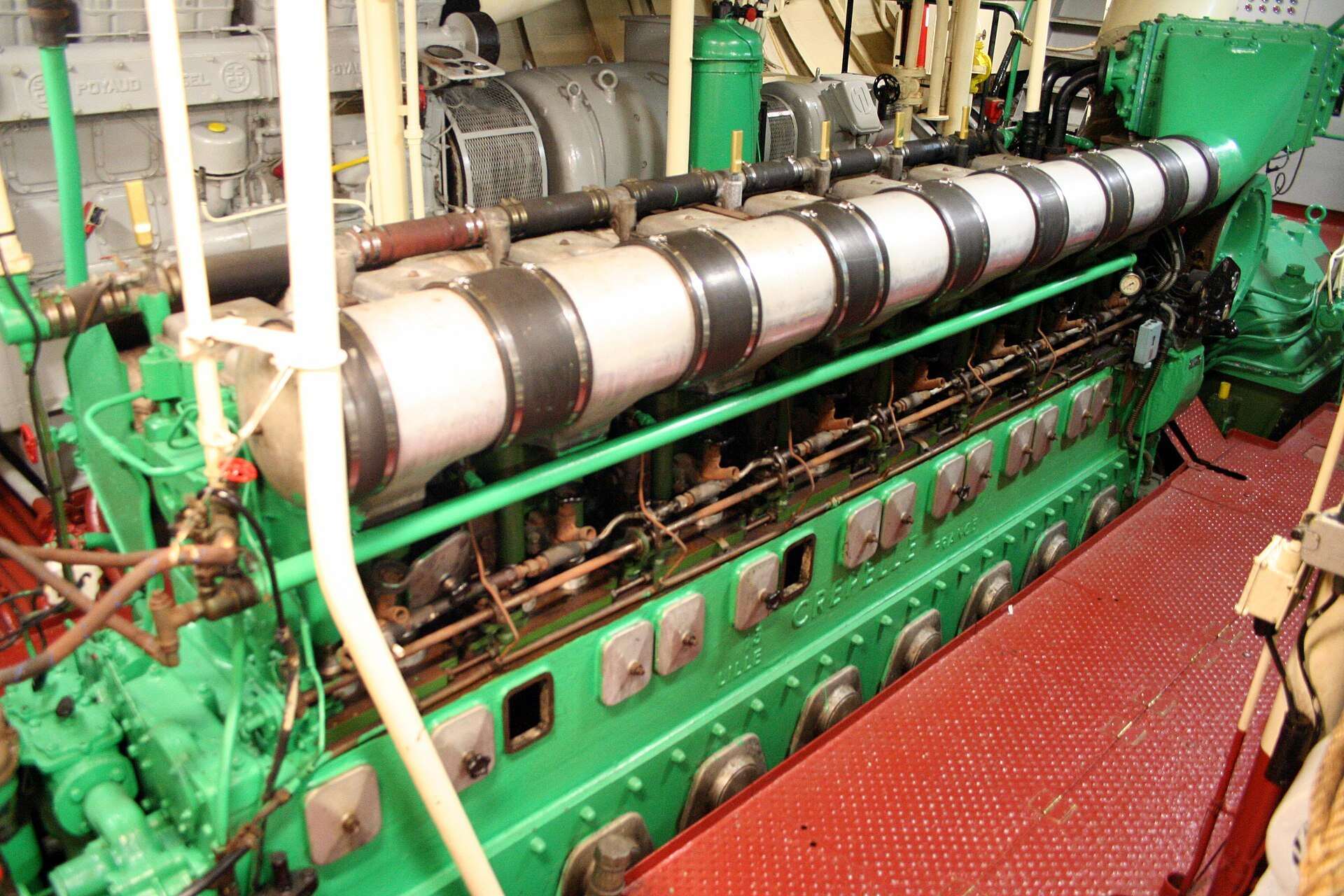
A chemical tanker anchors in İzmit Bay with a generator problem. The manager’s technical team writes to a service company it has used before; if that company is busy, it considers flying in a service engineer from abroad. Your team, ready in the bay, never hears about the job, because the manager has never heard of you.
With VesselCall
İzmit Bay was set up once, with a range. When the tanker enters it, VesselCall identifies the vessel, finds its manager and sends your introduction to the technical department. The text is short: the equipment you service, how you reach the bay’s anchorages and which parts you keep in stock. If the manager is in China, it goes out in Chinese, with an English copy if you like. When the generator acts up, your introduction is already in the technical team’s inbox, and any reply comes straight to you.
The IMO number used for this lookup is a permanent seven-digit identifier that stays with the ship for life, even when its name, flag or owner changes. In approval mode, you see every e-mail before it goes out.
Which ports and vessel types matter most?
The best prospects are vessels that spend enough time at anchor or at berth for maintenance and repairs.
- İzmit Bay and other Marmara ports: close to the Tuzla and Yalova shipyard areas, which helps with service crews and parts supply.
- Aliağa: tankers serving the refineries and bulk carriers serving the steel mills.
- Mersin and İskenderun: container, general cargo and dry bulk traffic in the eastern Mediterranean.
Period reports in VesselCall Data show the actual vessel mix at your own ports, from bulk carriers to chemical tankers. Start with the ports your team can really reach; Outreach lets you set a separate range for each one.
Related pages
- VesselCall Outreach: automatic introductions to the managers of approaching vessels.
- VesselCall Data: vessel search, PSC summaries and port reports.
- Introduction e-mail template for ship managers: how to write a short note a technical department will read.
Frequently asked questions
Does VesselCall detect vessels with breakdowns?
Does the e-mail go to the technical superintendent?
Can I review e-mails before they are sent?
What vessel information does VesselCall Data show?
Other industries
The next vessel is already on its way.
Pick your ports, set the range, write your introduction. VesselCall runs the rest.
Book a demo