Bunker and lubricants
Be known before the next stem is fixed
Bunker stems are often fixed before the vessel arrives, by the operator or charterer. VesselCall introduces you to managers of approaching vessels and screens out sanctioned ones first.
The problems today
- 1
Stems are fixed before arrival
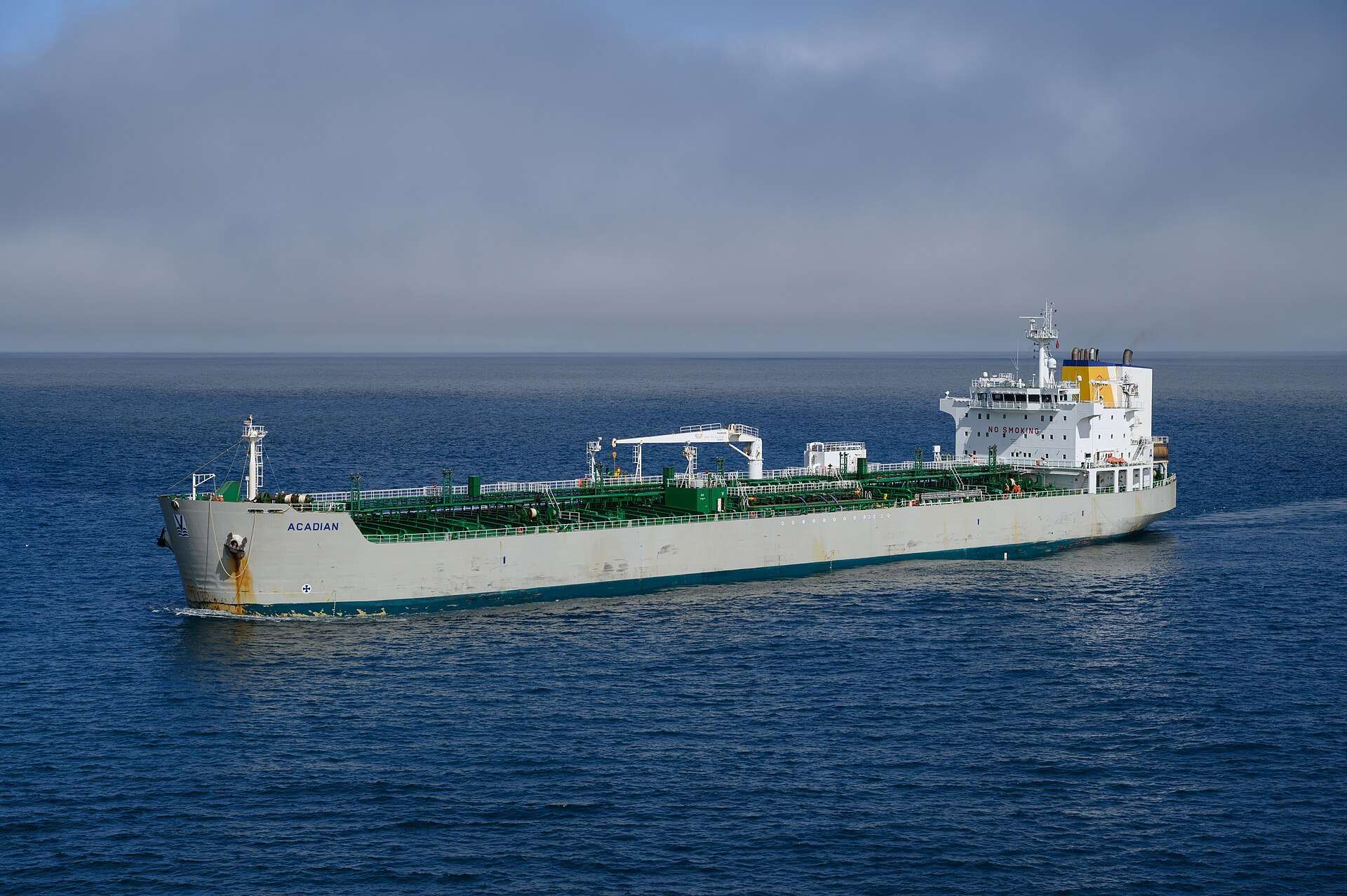
Bunker needs are often planned with the voyage and sent to known suppliers or brokers. When you first see the vessel at anchor, the stem has most likely been placed.
- 2
The buyer changes with the charter
Under a time charter the charterer usually buys the fuel; under a voyage charter, the owner or operator does. Finding the right desk vessel by vessel takes time.
- 3
Lubricants run on contracts
Many fleets buy lubricants under supply agreements. Local suppliers get their chance at ports the fleet visits often, or when a need is urgent, if the buyer already knows them.
With VesselCall
Introductions as vessels approach
Set a range around Mersin or Aliağa. Managers of commercial vessels entering it receive an introduction in their language, covering the fuels and lubricants you deliver and where.
Straight to the operating company
VesselCall writes first to the ship manager or commercial manager, then the ISM manager if there is none, then the registered owner. Your introduction reaches the company running the vessel.
Sanctioned vessels are skipped
Before sending, each vessel is checked against OFAC and UK sanctions lists and the EU port-ban list, and matches get no e-mail. This does not replace your own compliance checks.
Track demand at your port
VesselCall Data splits arrivals into sub-types such as product tanker, chemical tanker and bulk carrier, and shows average stay and monthly trends. Plan deliveries around them.
Who do we reach?
Bunkers are usually bought by the operations or bunker desk of the commercial manager or operator, or by the charterer under a time charter; lubricants are ordered through technical and purchasing teams. VesselCall picks the department address that fits your sector when the company publishes one.
For bunker and lubricant suppliers in Türkiye, VesselCall detects tankers, bulk carriers and other commercial vessels approaching your ports. It finds the company operating each vessel through its IMO number and sends your introduction in the recipient’s language, from your own domain. Vessels that match sanctions lists are skipped. VesselCall Data records vessel types and length of stay.
How does a bunker supplier’s day change with VesselCall?
Without VesselCall
In the morning, the sales team spots a bulk carrier approaching Mersin on a tracking site. They look up the operator on Equasis, find an info address on the company website and draft an English offer. Meanwhile the vessel reaches the anchorage, and its fuel has been arranged with another supplier. The team moves on to the next vessel, and nobody remembers whether the same manager was contacted last month.
With VesselCall
Mersin was set up once, with a range. When the bulk carrier enters it, VesselCall finds its manager, screens the vessel against sanctions lists and sends your introduction: which fuels and lubricants you deliver in Mersin, and to which anchorages. If the manager is in India, it goes out in English. This voyage’s fuel may already be arranged, but the manager’s inbox now holds the name of a supplier working in Mersin. Reports show which vessels were e-mailed, when, and why any e-mail was skipped.
One more point for Aegean and Mediterranean ports: since May 1, 2025, the Mediterranean Sea has been an Emission Control Area for sulfur oxides. The sulfur limit for fuel used there is 0.10%, compared with 0.50% outside emission control areas, unless the ship uses an approved equivalent such as a scrubber. State clearly which compliant grades you can deliver, and where.
Which ports and vessel types matter most?
- Aliağa and İzmit Bay: refinery ports with heavy tanker traffic at their liquid bulk terminals.
- Mersin and İskenderun: container, general cargo and dry bulk traffic in the eastern Mediterranean.
- Ceyhan: large tankers loading crude oil.
Vessels waiting at anchor create time for bunkering. VesselCall Data records anchorage and berth information and the length of stay for each port call, which helps you decide where to concentrate your delivery capacity.
Related pages
- VesselCall Outreach: automatic introductions to the managers of approaching vessels.
- VesselCall Data: port calls, vessel search and port reports.
- Aliağa port page: an Aegean port known for its refineries and tanker traffic.
Frequently asked questions
How do bunker suppliers find new customers?
Does VesselCall e-mail charterers?
What fuel do ships need in the Mediterranean ECA?
Are sanctioned vessels e-mailed?
Other industries
The next vessel is already on its way.
Pick your ports, set the range, write your introduction. VesselCall runs the rest.
Book a demo